
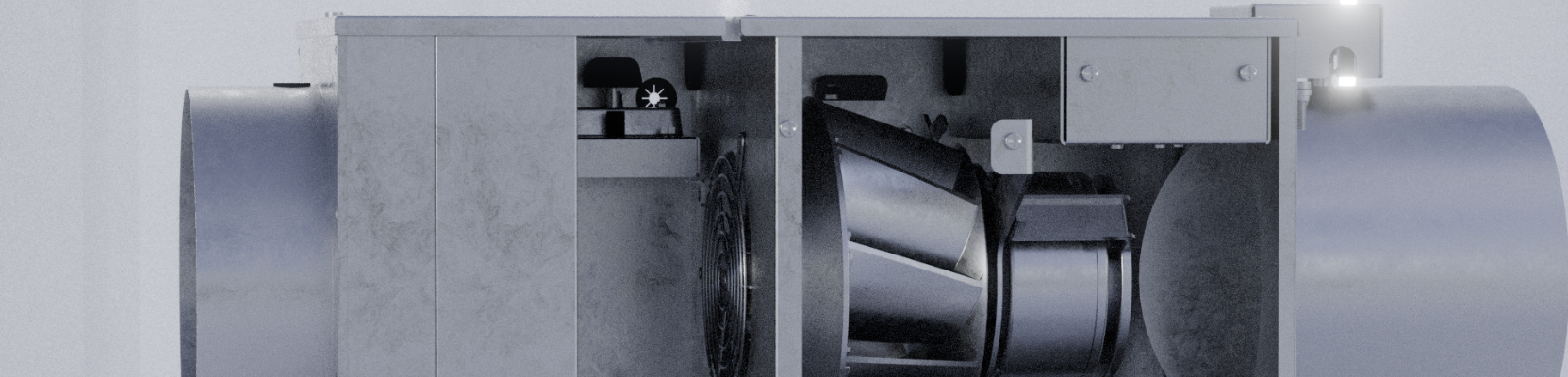
Ventilation Technology
THE IMPORTANCE OF VENTILATION

Diluting Pollutants
Ventilation is more than just the movement of air. It’s about ensuring the right amount of outdoor air is introduced to dilute and remove indoor contaminants while maintaining a balance between comfort, energy use, and code compliance. Without adequate ventilation, air quality deteriorates and energy savings from tight construction can be undermined by the need to open windows, run exhaust fans, or overuse HVAC systems.
Ventilation Code Requirements
Codes such as ASHRAE Standard 62.2, the International Residential Code (IRC), and state-specific requirements like California Title 24 establish minimum ventilation rates for residential and light commercial buildings to ensure a consistent supply of fresh air and the removal of indoor pollutants.
These codes define how much outdoor air must be delivered based on factors like floor area, number of occupants, and system type. In many cases, the code also requires that ventilation systems operate automatically, continuously, or on demand, depending on the building’s characteristics and usage patterns.
OUR VENTILATION TECHNOLOGY:
Reduced Natural Ventilation in Modern Homes
Modern homes and buildings are constructed with energy efficiency in mind. Improvements in insulation, tighter construction practices, and air sealing have greatly reduced natural infiltration—the unintentional flow of outdoor air into indoor spaces. While this helps reduce heating and cooling loss, it also limits the natural exchange of indoor and outdoor air.
As a result, pollutants like dust, VOCs, excess moisture, and carbon dioxide accumulate over time, with no natural path out of the space. Occupants often experience stale, uncomfortable air, and in many cases, the indoor environment may no longer meet the basic requirements for fresh air ventilation defined by modern building codes.

VENTILATION STRATEGIES FOR BETTER INDOOR AIR
Effective ventilation starts with the right approach. From supply to balanced to exhaust, each method plays a unique role in shaping healthier, more efficient buildings.

WHY CHOOSE FIELD CONTROLS FOR INDOOR AIR TREATMENT?




OTHER TECHNOLOGIES



Field Controls Learning Library
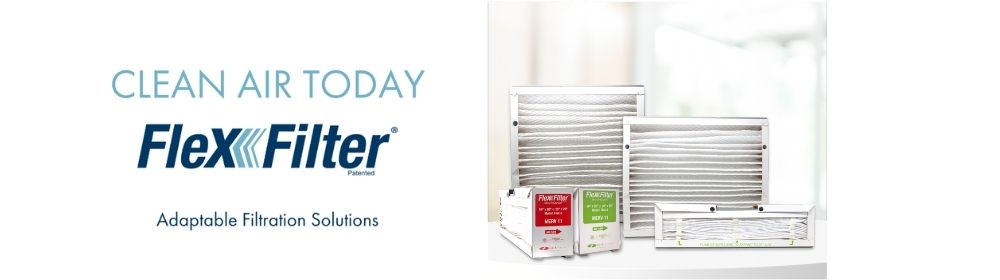
Standard 1-inch HVAC filters often fall short on airflow, lifespan, and particle capture. FlexFilters offer a smarter solution with expanded surface area, balanced airflow, and longer service life—helping protect your system while improving indoor air quality.
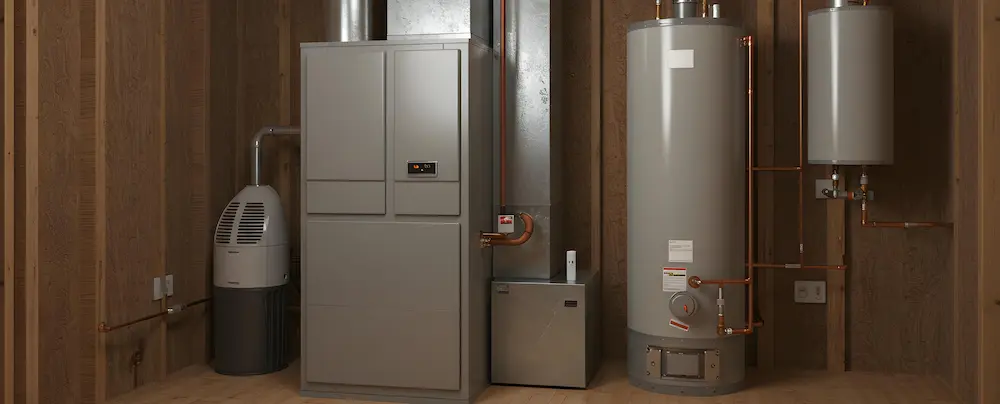
Your HVAC system moves air through your home all day long, but without proper filtration and purification, it may also be circulating dust, allergens, mold spores, microbes, and chemical pollutants. These contaminants can repeatedly cycle through your ductwork and living spaces, affecting comfort and long-term health. Understanding how HVAC airflow works and why standard filters often fall short can help homeowners take the right steps to improve indoor air quality and reduce airborne contaminants throughout the home.
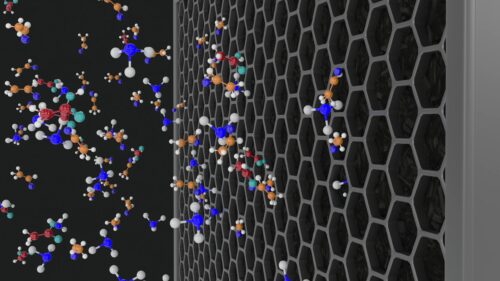
A media air cleaner is a whole-home filtration upgrade that integrates directly into your HVAC system to capture more airborne particles, improve airflow, and extend filter life. Unlike standard 1-inch filters, media air cleaners use deep-pleated filters and sealed cabinets to deliver cleaner air throughout your entire home with less maintenance.
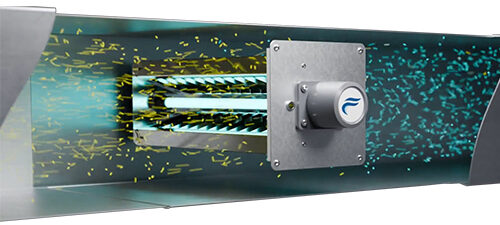
Indoor air can be up to five times more polluted than outdoor air, particularly in energy-efficient homes that are tightly sealed, allowing pollutants like germs, VOCs, and odors to accumulate over time and potentially cause health problems for residents. Learn how a whole house air purifier can help.

Your HVAC system may be circulating more than just air. Dust, mold, and bacteria can build up and impact your health. Discover how whole-home purification helps.
As temperatures drop, your furnace becomes the heart of your home. Before winter arrives, make sure it’s running efficiently and safely. From replacing filters to checking burners, these simple maintenance steps can lower energy costs, improve air quality, and keep your family comfortable all season.